Supplemental Material
Article Title: What Lives? A meta-analysis of diverse opinions on the definition of life
Journal: Biological Theory
Authors: Reed Bender, Karina Kofman, Blaise Agüera y Arcas, and Michael Levin
Affiliations:
Attune Intelligence, LLC
Faculty of Dentistry, University of Toronto, Toronto, Canada
Paradigms of Intelligence Team, Google
Allen Discovery Center at Tufts University
Wyss Institute for Biologically Inspired Engineering at Harvard University
*Corresponding Author:
Michael Levin
200 Boston Ave., Suite 4600, Medford, MA 02155
michael.levin@tufts.edu
Supplemental Code: GitHub Repository for the complete source code repository for this analysis of “What Lives?”
Supplemental File 1: Claude 3.7 Cluster Thematic Analysis Results
Supplemental File 2: Llama 3.3 70B Instruct Cluster Thematic Analysis Results
Supplemental File 3: GPT-4o Cluster Thematic Analysis Results
Supplemental File 4: Multi-Model Cluster Thematic Analysis Results, Generated with Claude Sonnet 3.7
Supplemental Table 1: Definitions of Life
| Name | Definition |
|---|---|
| Aaron Sloman | Life exists on a physical/chemical entity (e.g. galaxy, or planet) containing components that are able to extend and replicate themselves using mechanisms that repeatedly add new forms of complexity by absorbing structures from their environment, including repeatedly extending the forms and mechanisms of replication and their powers. |
| Alistair Nunn | Life can be defined as a self-organising adaptive “intelligent” entity based on existing atoms/compounds that combine into an auto-catalytic network driven by thermodynamic dissipation of energy, which maintains its existence through internal natural selection of smaller dissipating components to maintain function, where memory to respond, maintain and adapt to the environment is held in the fields created by the movement of charged entities that through a process of feedback, guide the formation and maintenance of a matter-based system that can maintain these fields enabling long term memory, which defines self from non-self. |
| Ana Soto | A biological system differs from an abiotic system in that the former is a goal-pursuing normative agent, capable of creating its own norms, and thus able to change. At a minimum, being alive is a precarious state in continuous search of nutrients to keep itself alive. Additionally, such a system creates novelty. In our terrestrial world, this is illustrated by the built-in ability of cells to move and proliferate, creating variation at each cell division (default state). |
| Andy Adamatzky | Reproduction. with mutations. |
| Anna Ciaunica | Life is the permanent movement of our bodies towards a balanced exchange between what lays inside and what is outside. Life is what cannot exist without an other, already being there, already alive. Life is not something we can create or make. Life is something we have received, like a gift. |
| Arthur Lander | To me, life refers to those systems that arise when natural selection gives rise to automatic control. Natural selection here is to be understood the way biologists do: adaptive change enabled by reproduction and selective survival. Automatic control here is to understand the way engineers do: mechanisms that achieve robust performance in the face of unpredictable disturbances. When the latter emerges as a result of the former, I call that life. |
| Arthur Reber | Life: An entity that can process ambiguous information in its environment and make adaptive decisions that mitigate stress, promote growth, and encourage reproduction can be said to be alive. |
| Audrey Dussutour | I understand life as dynamic process emerging from networks of interactions between units (self-organization) characterised by the ability to: - reproduce - be autonomous (self-regulation) - respond to stimuli (being external or internal) - be plastic - produce and use energy |
| Blaise Agüera y Arcas | Life is a self-modifying computational phase of matter arising from evolutionary selection for dynamic stability; it complexifies through symbiotic composition. The “matter” doesn’t have to be physical matter in our universe, but can be in any environment that supports computation, including of course on a computer. |
| Carlos Sonnenschein | Without proliferation and movement, there is no life. |
| Chris Adami | Life is information that can replicate itself. Life is a property of an ensemble of units that share information coded in a physical substrate and which, in the presence of noise, manages to keep its entropy significantly lower than the maximal entropy of the ensemble, on timescales exceeding the “natural” timescale of the decay of the (information-bearing) substrate by many orders of magnitude. |
| Chris Fields | To be alive is to be considered alive by systems that consider themselves alive. |
| Daniel McShea | 1) Biology is not yet ready to give a formal definition of life, that is, a definition in the philosopher’s sense of necessary and sufficient conditions. (Indeed, a good argument can be made that life is not a natural kind, in which case necessary and sufficient conditions will never be found.) 2) When we understand it better, life is likely to turn out to be multidimensional, like “happiness,”, not reducible to one or even a small number of independent variables. Things like distance from thermodynamic equilibrium, metabolic closure, developmental and regenerative near-closure, complexity in the sense of number |
| Name | Definition |
|---|---|
| of part types, complexity in the sense of number of levels of nestedness, memory capacity, and many more will all be relevant and will vary somewhat independently from one instance of life to another. 3) Being alive is likely to turn out not to be dichotomous, but to vary continuously, like everything else in the universe, in all dimensions, ranging from the extremely alive to the negligibly alive, with the entire range of intermediate values occupied (albeit not equally densely). Averaged over many dimensions of life-li-ness (life-i-tude-in-osity?), earthworms are probably very alive. Viruses much less so. Hurricanes only a little bit. Rocks negligibly. | |
| David Ackley | Life is any machine that works to preserve its patterns. |
| David Krakauer | Autonomous problem-solving matter. |
| Denis Noble | Life is self-creating agency. |
| Don Ingber | Life refers to physical structures that form through hierarchical self-assembly of multiple different types of molecular components that exhibit the ability to harness energy and convert it into new materials, which it then uses to grow and reproduce itself. |
| Donald Hoffman | The distinction between living and nonliving objects is not principled. It is an artifact of the limitations of our senses. We always interact with Life, but our senses serve as interfaces that dumb things down, and thereby introduce an apparent distinction between living and nonliving. |
| Douglas Brash | A process (not a thing, substance, property, or state) so it is better thought of as Living. Living is defined as a process of development, building higher hierarchical levels out of lower levels. |
| Eörs Szathmáry | A living world unfolds in a population of evolutionary units. Living systems are ontologically rooted in autocatalytic chemistry in which metabolism, boundary and a control system are acting together to form a Kantian whole. Individual living systems are not necessarily units of evolution, and a living world can exist without living systems, although the overlap between these sets is huge. |
| Eva Jablonka | Life, which is enduring enough to be found or constructed by us, can be recognized when a dynamic system consists of intrinsic coupled reactions that lead to indefinite evolvability, self-generation, self-maintenance and partial closure and autonomy from the surrounding milieux with which it interacts. |
| Francis Heylighen | A living system is a self-maintaining network of processes that is directed at the goal of preserving its self-maintenance by acting so as to compensate for variations in environmental conditions that would otherwise threaten its self-maintenance. |
| František Baluška | My definition of Life is: Living Cells and All Their Constructs |
| George Ellis | Life is any open system that reproduces and has agency. That is, the way it flexibly interacts with the surrounding environment enhances relative survival prospects of its progeny. |
| Georgi Yordanov Georgiev | Life is a system of any substrate with flows of energy, matter, and information that create efficient internal structure through positive and negative feedback loops and reflects its external environment. It is a part of a network of differentiated similar systems, competing and cooperating, spreading information, developing and evolving exponentially until an external limit is reached. More organized systems are more ‘alive’. |
| Gordana Dodig-Crnkovic | Life, from a scientific standpoint, is a natural phenomenon that emerges from the laws of physics and chemistry operating within the universe. It is a process characterized by the self-organization of matter into increasingly complex info-computational networks systems capable of sustaining, reproducing, and adapting themselves to their environment. Life = cognition. |
| Jack Tuszynski | Life is a self-sustained out-of-thermodynamic equilibrium process driven by metabolic energy supply and aimed at self-replication. Importantly, living systems possess various degrees of autonomous movement in response to external conditions but also as an expression of free decision making. |
| James Shapiro | A self-maintaining or reproducing entity that acts purposefully and intelligently to survive but is also capable of self-modification when survival is challenged. |
| Jamie Davies | Living things are non-equilibrium systems, semi-permeable to their environments in ways they mostly control, rich in feedback and with the ability to maintain and repair themselves. Populations of similar living things have the ability to reproduce, though the ability to reproduce is not necessarily a property of every individual living thing. The status of being alive requires organization and action, and this may in principle be realized by a variety of underlying material compositions. |
| Jeremy Gunawardena | I feel that, with our current understanding, defining life is better left to philosophers than to scientists, as it does not seem to lead to experimental or theoretical questions that we |
| Name | Definition |
|---|---|
| can effectively tackle. I prefer to focus on certain properties, such as learning, which can be both formulated theoretically and also lead to experimental approaches that we can currently undertake. Learning does not constitute life, as inanimate entities also learn, but it gets us a lot closer to something resembling life than the current paradigm of selfish genetic machines. | |
| Jordi Vallverdú | Life is a self-sustaining process that reduces internal entropy through energy exchange, driven by embodied intentionality to maintain internal order and adapt to its environment, generating value through the interaction between the organism and its world. |
| Joshua Bongard | Information flows are discovered that are initially restricted to narrow spatial and temporal ranges, are univariate (one point source), and the carriers of information are restricted to a few energetic and physical modalities (electricity; vibration). Over time, these flows are found to multiply; expand across space and time; become multivariate and higher-order; and be carried by additional energetic and physical modalities (quantum; plasma). |
| Karl Friston | Life is a scale-invariant, far-from-equilibrium process with an attracting set of characteristic states (technically, pullback attractors) that (i) feature an individuation of living systems in terms of their (Markov) boundaries, (ii) which are open, in the sense there is exchange across the boundaries and (iii) breaks detailed balance, in the sense of possessing solenoidal (i.e., non-dissipative) dynamics; e.g., biorhythms, lifecycles and replication. |
| Kenneth Stanley | If the aim is to define life as it could be, it’s a far more subjective endeavor given the vast space for opinion to play a role (e.g. can a computer program be alive, does life require consciousness, etc.). Because of this wobble between the superficial and the subjective, I think it may be more fruitful simply to enumerate candidate configurations that would be particularly interesting for one reason or another, even if no single comprehensive definition is at hand. |
| Kevin Mitchell | A living organism is a self-perpetuating pattern of interlocking dynamical processes, comprising a collective regime of constraints, which does thermodynamic work to persist, far from equilibrium with its surroundings, as a distinct entity through time. Living organisms comprise causal protectorates, and, through the key property of selective historicity, accumulate causal potential and the ability to act as autonomous agents in the world. |
| Larissa Albantakis | In contrast to consciousness (the feeling of being), life is a functional construct which allows for a reductionist definition as a set of sub-processes such as homeostasis, reproduction, etc. Any particular definition proposed is neither right or wrong, but rather more or less specific, inclusive, and above all useful for researchers of various fields. In this view, being “alive” is just a label and therefore ultimately just a matter of definition. |
| Leo Caves | (recursive definition - enter)… Life is a relatively persistent dynamic pattern that is discerned in the coupling of an observer with their environment; the pattern is a manifestation of intrinsically recursive dynamics on a closed topological form in a complementary space of possibility ~ actuality. Resonance of these rhythmic patterns generates (and induces) rich “harmonic” eurhythmically-sustained heterarchical structures, expressed in energy and matter homeorhesis capable of conservative and radical morphodynamics exhibiting a repertoire of autonomous and other rich behaviors; the observer (as such an entity) is complementary to and co-determines its environment—capable of forming the distinction that… ( re-enter) |
| Mark Solms | A system is alive if it spontaneously and in a thoroughgoing manner strives to oppose the Second Law, to maintain its own existence. |
| Martin Picard | A self-sustaining system capable of healing that uses and organizes energy to achieve expression(s) of consciousness. |
| Michael Levin | We call alive those cognitive systems that (a) self-assemble under metabolic constraints (scarcity of time and energy, which demands essential coarse-graining and mind-full models of self and world, as well as memory reinterpretation that commits to sense-making over fidelity), and (b) are good at scaling up the basal competencies of their parts into a new being with top-down control and a larger cognitive light cone than any of its subsystems. Living beings remember, and anticipate, coarse-graining experience into a continuous actionable dream that forms models of itself and its world, and the distinction between them. Life is a stream of temporarily persistent, coherent, agential patterns within some medium that, over time, expands its cognitive light cone and projects it into new problem spaces within which to strive. |
| Name | Definition |
|---|---|
| Nick Lane | A formal definition of life is unhelpful because living is a process over time, and drawing a line across a continuum is always arbitrary. Geochemical systems that give rise to life combine continuous flow with cellular structure, as in structured hydrothermal systems that operate as electrochemical flow reactors. Environmental disequilibria convert gases such as H2, CO2 and NH3 into organic molecules through a reaction network that prefigures metabolism, from which genes emerge, meaning that growth precedes heredity. |
| Oded Rechavi | Anything that keeps changing in order to stay the same. |
| Olaf Witkowski | Life is hard. A working definition captures it as a physical quine (as coined by Doug Hofstadter): an information pattern capable of self-reproducing through time and space, at various scales, parasitizing the fabric of its substrate. Paradoxically, this makes the pattern both independent of and contingent on this substrate. Life is also soft. We humans can’t help but see it as an experiential quine. Sure, the living pattern could be perceived by some third-person party situated “outside the simulation.” But we typically encounter observations as third-person observers within the same universe, or by the pattern’s own first-person perspective—in the hardware’s soft mind’s eye. Like the Ship of Theseus, life may, ever so softly, change its own components while maintaining some invariants. Combining the hard and soft pictures above emphasizes the continuity of experience as central to life’s ability to adapt and navigate its universe. |
| Paco Calvo | Life is characterized by the possession of intrinsic goals and purposes (phenomenological), a drive for preservation based on interaction-dominant dynamics (e.g., Gaian self-regulation) among biological or artificial components, and the ability to exist within real or virtual environments (not necessarily carbon-based). |
| Pamela Lyon | Life is a process by which a sensitive, behaving system constructs, maintains and reproduces its own organization by taking in and using matter and energy from its surroundings selected on the basis of cognition—awareness, perception, discrimination, valuation, memory, learning—to enable agency, actions aimed at realizing internally generated goals, such as system persistence. |
| Paul Davies | Following Schrodinger, there is a ‘new kind of physical law’ prevailing in living matter. So we won’t have a definition until we uncover that law. What can we say about it in the interim? In my opinion, it would give causal efficacy to information, but above and beyond mere Maxwell demonics. (Life is full of Maxwell demons playing the margins of the second law of thermodynamics.) Following Landauer, ‘information is physical,’ so it is a quantity that has causal consequences. But living matter couples information networks to chemical networks, and the said ‘law’ would involve some sort of global measure of complexity. The law would be of a ‘new kind’ because it would not involve locally-defined quantities. |
| Perry Marshall | Life is the fire that lights itself. Self awareness and self agency - not just an act of creating, but the continual gift of creativity. The potenza for singularity in every single moment, ineffable. |
| Philip Ball | I don’t believe we have an adequate understanding of the range of possible behaviors in complex matter to attempt any universal definition of life, but to the extent that we know them, living systems all exhibit agency: the ability to manipulate themselves and their environment to achieve autonomously determined goals. I believe that it should be possible to operationalize a notion of agency more readily than to do so for “life”. Characteristic features would include a sustained thermodynamic separation of agent and environment, and a context- and history-dependence of responses to stimuli: an agent’s behavior makes reference not just to external conditions but to internal states. In addition: evolution by natural selection is not an intrinsic property of living things, but rather, is the only mechanism currently known by which the necessary complexity for agency might arise spontaneously. |
| Pier Luigi Gentili | 1) Information: The first peculiarity of living beings is that of exploiting matter and energy to gather and utilise Information to pursue goals. Every living being has a hierarchical structure, and different types of information are encoded at various levels 2) Life Cycle: Every living being is an open system characterised by a boundary that delimits it from the rest of the environment. It has a birth, a life during which it grows and ages. It can self-maintain, self-reproduce, and protect itself from intruders and harmful elements. However, finally, it dies when all fundamental internal activities cease. 3) Adaptation-Acclimation-Evolution: During its lifetime, every living being can adapt by adjusting its metabolic processes, acclimating by expressing new genes, and evolving by changing its genome under an ever-changing environment. |
| Name | Definition |
|---|---|
| Pranab Das | LIFE is the collection of all systems capable of ongoing self-assembly, regulation and endurance that exceeds by many orders of magnitude the characteristic time periods of their internal function. Living things are instantiations of a continuing set of processes which can be understood as a “story” carried down and reproduced through the generations. |
| Predrag Slijepčević | My starting assumption is that life – the totality of the living world – is always more complex than our models of life. My second assumption is that life is a non-ergodic evolving system – a system in a permanent state of becoming. My third assumption, following from the second one, is that life is a processual system that cannot be fully described by standard physicalist approach because it is blind to a deep (evolutionary) future and it ignores extra-terrestrial forms not based on standard biochemistry or biophysics. |
| Ricard Solé | Life is a dynamic, self-sustaining collective property emerging by exploiting self-organization of soft matter in cooperation with information-carrying substrates. These features include encapsulation as a precondition to achieving agency and might not be associated with replication. |
| Richard Watson | Life is the pattern and process of love – a deeply vulnerable mutual dance. It is created by mutually transformative connection (not separation, or survival or self-interest), and the greater the depth of vulnerability, letting go of ego that blocks genuine connection, the more life is lived. The song of life that orchestrates the dance arises from the sustained harmonic vibration between parts and wholes (both within self and in larger context), that carries the resonance of its entire history of experience, and in so doing, repeatedly recreates the conditions for its own origination and animation, materialising the singer that continues the living transformation of the song. |
| Rita Pizzi | Complex agglomerate of carbon-based elements, with self-organizing and self-replicating properties. The base might not be carbon in other parts of the universe. Self-organizing is not enough; what distinguishes life from other self-organizing systems is the presence of DNA, i.e. an organic macromolecule capable of containing all the information to reproduce the life form that contains it. |
| Scott Gilbert | A living entity is a bounded system of molecular processes that interact with its environment so as to use metabolism to persist. The living entity would therefore retain its identity by changing its parts |
| Sonia Sultan | Life describes the ability of a naturally occurring system to continuously perceive relevant aspects of its external environment, and to build and maintain itself through continuous yet finite, real-time processes of response to those perceived conditions. In my view the key components are environmental perception, response, and the combination of those two continuous activities with the system’s finitude. |
| Steve Frank | In general, I believe it is almost always a bad idea to try and define something outside the context of solving a specific puzzle or working toward a specific goal. That is like deciding which tools to use before you know what you are trying to build or fix because definitions are tools and not endpoints. That is the reason that people never agree on definitions and argue endlessly and uselessly about them, there are no good definitions outside of context. |
| Stuart Kauffman | We have no agreed-upon definition of life. We here build toward the following: Life is a non-equilibrium, self-reproducing chemical reaction system that achieves: i) Collective autocatalysis, ii) Constraint Closure, iii) Spatial Closure, iv) As such, living entities are Kantian Wholes. |
| Stuart Newman | Life is a form of organized matter out of thermodynamic equilibrium, capable of maintaining its organized state by selective material exchange with its external environment. It is entirely continuous with the nonliving world at the level of atomic elements, but many molecules essential to their maintenance are uniquely produced by living systems. The principles underlying the characteristic organization of living systems have so far not been identified in the nonliving natural world. |
| Sui Huang | Material entities in the universe, such as atoms, molecules, cells, organisms, which are variants of larger sets with shared common properties are prone to interact in some rule-constraint manner, following elementary physical laws. In doing so, they create through constrained combinatorial explosion an immense diversity of larger entities, governed by more rules that appear increasingly detached from the elementary physical interactions: biology. Subjugated to these rule-like constraints, these entities are prevented from direct descend along the free energy gradient imposed by thermodynamics but instead, are stuck far away from thermodynamic equilibrium, akin to water hold up by a dam, and, consuming free energy, they follow instead the laws of dynamical systems and produce |
| Name | Definition |
|---|---|
| behaviors of particular patterns, among which are cycles of replication that we mistake for something non-physical: life. | |
| Susan Stepney | Living systems are open far-from-equilibrium self-producing systems, embodied in smart computational metamaterials, with non-trivial, irreversible meta-dynamics (where metamaterials are engineered or evolved to have special functional and/or computational behaviors, and meta-dynamics is the dynamics, or change, of the system’s own dynamics). |
| Theodore Pavlic | Living things are statistical novelty producers, and sometimes the products of life (viruses, computers, robots) can themselves be extensions of life that are understandably confused for the genuine article. Novelty production is really what all of the other putative necessary features of life (metabolism, growth, organization, homeostasis, reproduction, etc.) bring about. On another planet, it won’t be any particular chemical process or molecular structure that will really convince us that we have found life; it will be the repeated presence of patterns that simple historical contingency has no chance of producing continuously at scale. |
| Timothy Jackson | Life as we know it is a particular evolutionary lineage of self-organising systems. Self-organising evolution appears to be generic, but the life lineage has achieved its peculiar degree of diversity and complexity due to its unique mechanisms of information storage and retrieval. These mechanisms function as constraints on ubiquitous processes and either require (e.g., metabolism) or enable (e.g., agency) some of those properties commonly associated with life. Technical objects (tools, machines, etc) constructed by living systems are best conceived of as internal to the life lineage, as components of the extended phenotypes of the organisms that produce them. |
| Tom Froese | Biological organization makes use of physical tendencies toward efficient energy flows by diverting them into a process of individuation. But this systemic imposition of constraints is not sufficient for flexible behavior, which requires the injection of a factor of arbitrariness into state dynamics. These three complementary roles, (1) energy flow maintenance, (2) systemic identity creation, and (3) state constraint destruction, suggest a complex ontology of the organism characterized by three distinctive domains: matter, life, and mind, respectively. |
| Walter Fontana | Life is matter that has learned how to learn. |
| Wesley Wong | An operational definition of life, grounded in physical measurement, could help us recognize life in unexpected contexts. While no single definition covers all known phenomenon, approaches like Schrodinger’s definition based on statistical mechanics, and Laughlin’s framing of emergent behavior in mesoscopic systems are particularly compelling. In the end, we may not need a singular definition—instead, context-specific definitions, including those that blur the line between life and non-life, could be more useful. |
| Will Ratcliff | A self-sustaining chemical system capable of open-ended Darwinian evolution. |
| William Miller | Cognitive decision-making and problem-solving as self-referential information processing and management. |
Supplemental Table 2: Correlation Matrix Statistics
| Model | Correlation Range | Mean | Median | Standard Deviation | Skewness |
|---|---|---|---|---|---|
| Claude 3.7 Sonnet | -0.80 to 0.83 | 0.30 | 0.37 | 0.372 | -0.972 |
| Llama 3.3 70B Instruct | -0.90 to 0.85 | 0.17 | 0.20 | 0.510 | -0.903 |
| GPT-4o | -0.85 to 0.97 | 0.20 | 0.32 | 0.397 | -0.756 |
| Multi-model Integration | -0.84 to 0.82 | 0.22 | 0.32 | 0.394 | -0.740 |
Supplemental Table 3: Cross-model Clustering Statistics
| Model | Number of Clusters | Largest Cluster Size | Intra-cluster Correlation | Inter-cluster Correlation | Contrast Metric |
|---|---|---|---|---|---|
| Claude 3.7 Sonnet | 7 | 25 | 0.258 | ||
| Llama 3.3 70B Instruct | 11 | 32 | 0.563 | ||
| GPT-4o | 11 | 16 | 0.408 | ||
| Multi-Model Integration | 8 | 24 | 0.359 |
NOTE: All supplemental images are also available in the GitHub source code repository here: GitHub
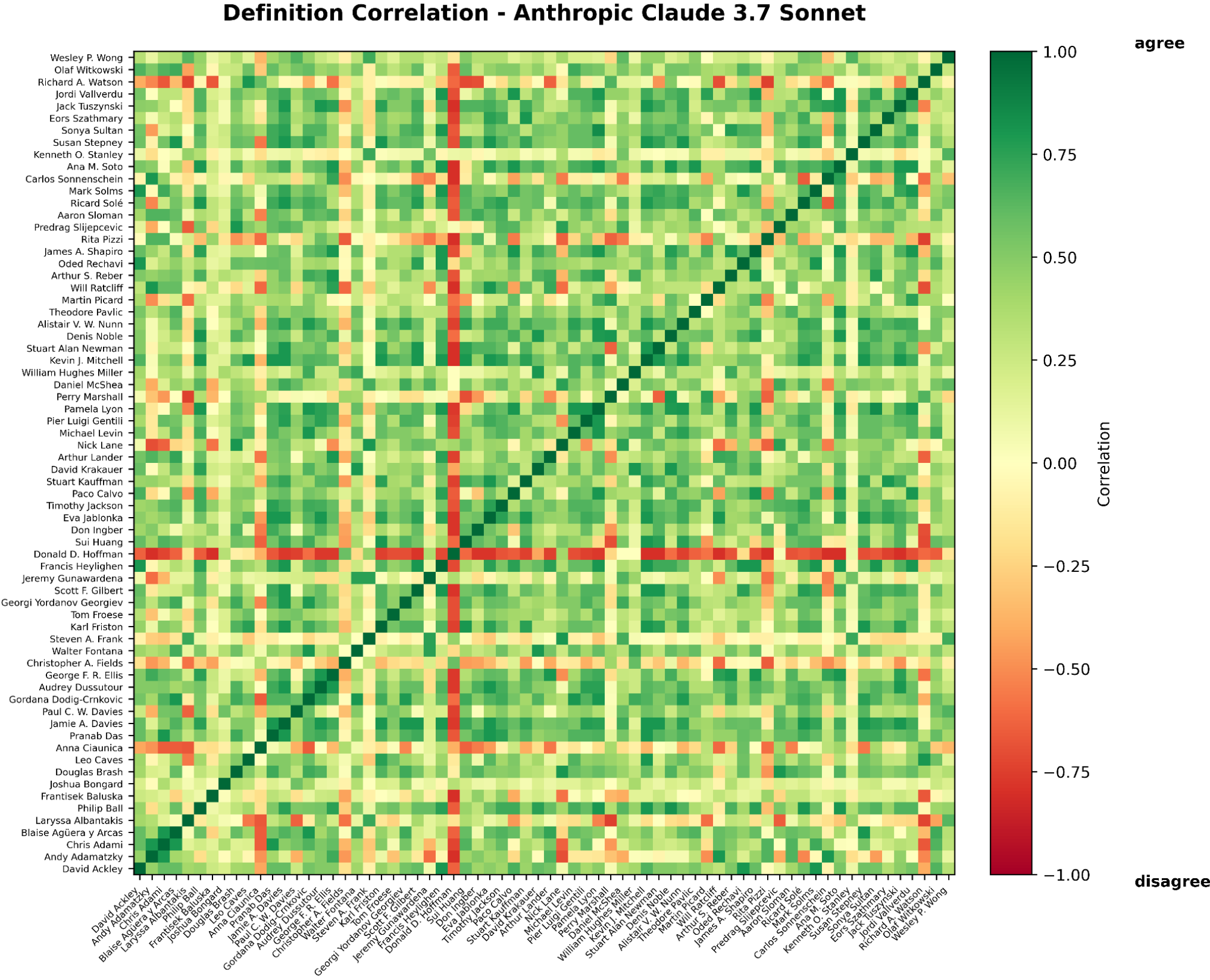 Supplemental Figure 1: Definitions of Life Correlation Matrix; Claude 3.7 Sonnet
Supplemental Figure 2: Definitions of Life Correlation Matrix; Llama 3.3 70B Instruct
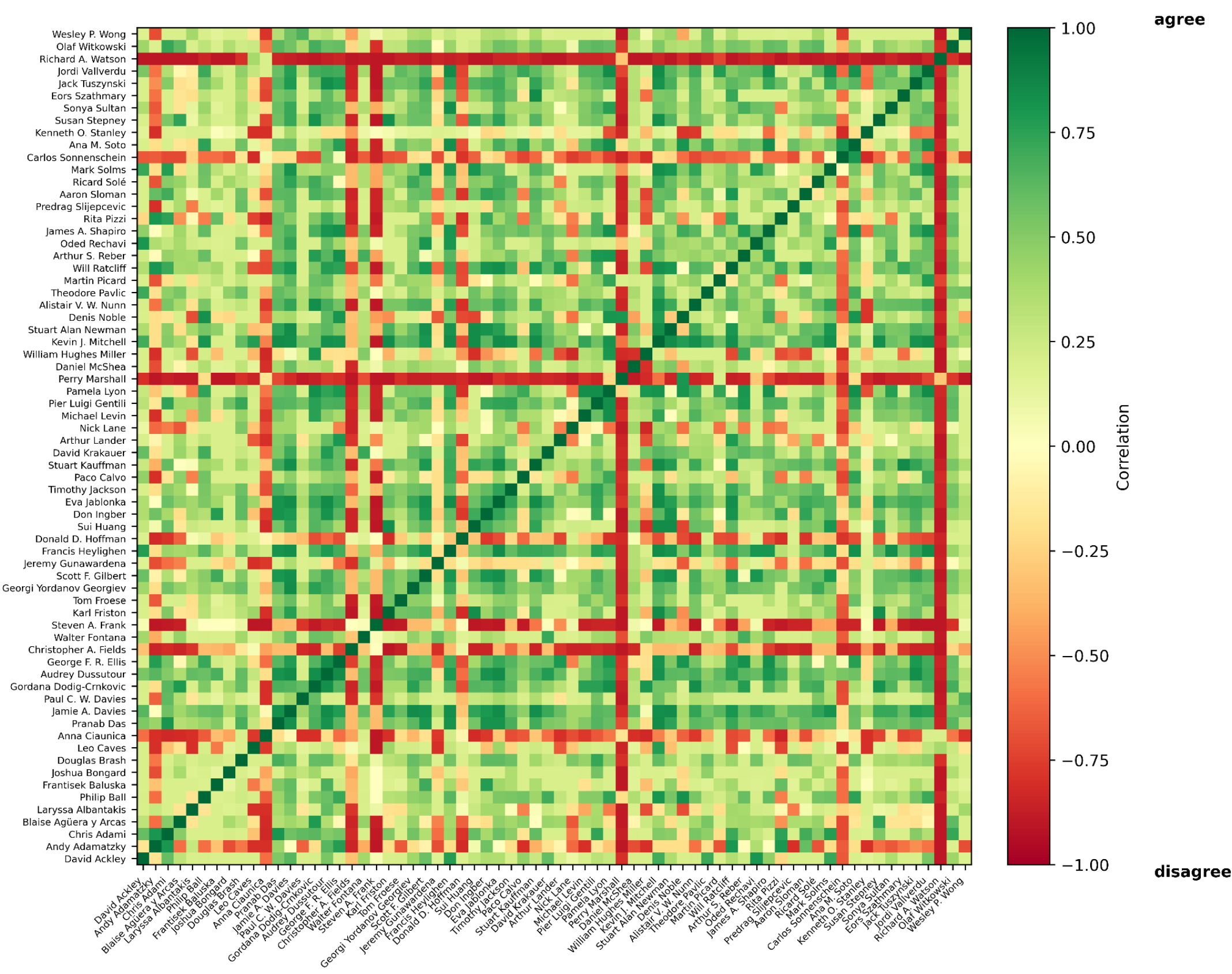 Supplemental Figure 2: Definitions of Life Correlation Matrix; Llama 3.3 70B Instruct
Supplemental Figure 3: Definitions of Life Correlation Matrix; GPT-4o
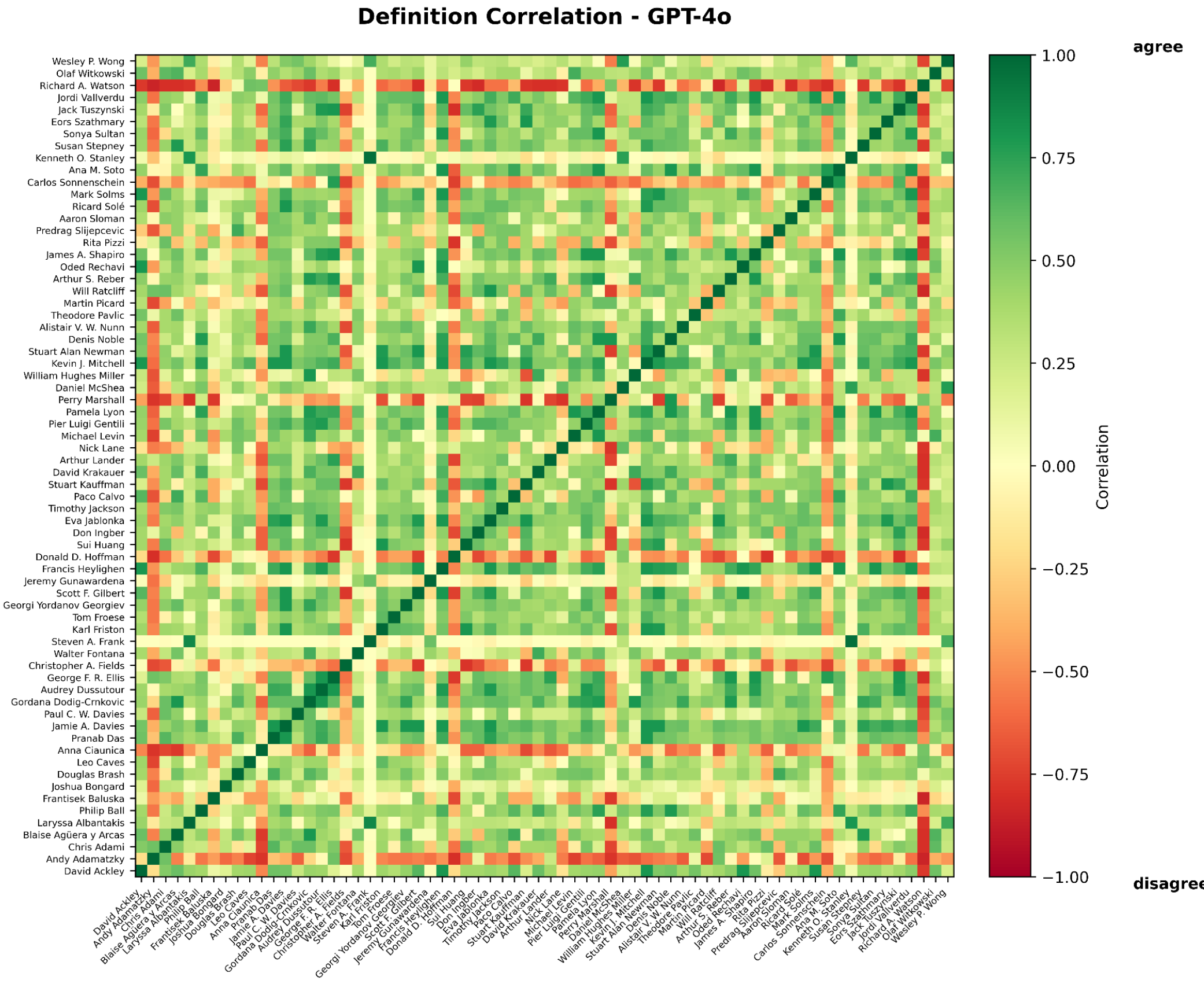 Definition Correlation - GPT-4o
Supplemental Figure 4: Definitions of Life Correlation Matrix; Averaged Claude 3.7 Sonnet / Llama 3.3 70B Instruct / GPT-4o; symmetrized average
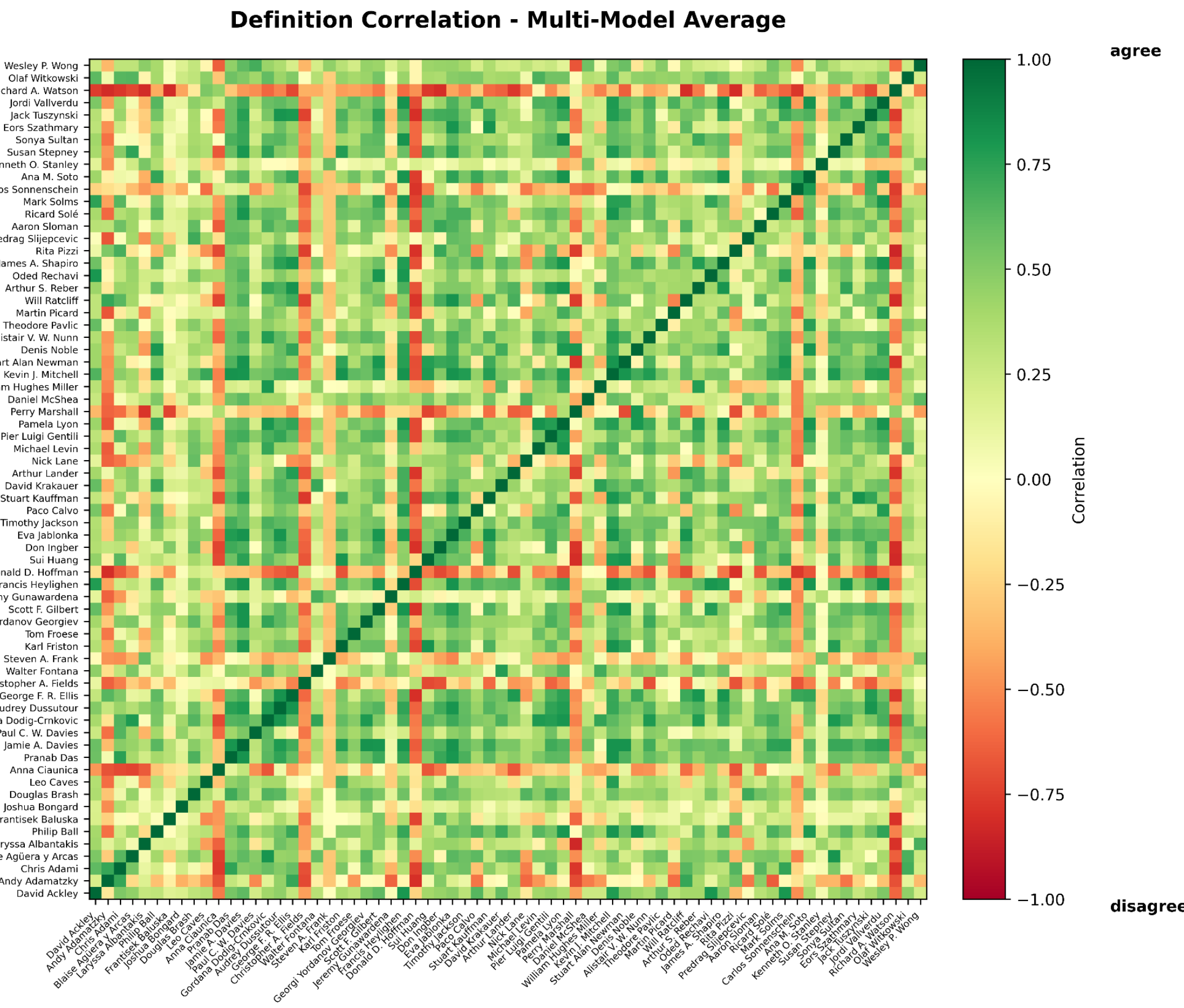 Definition Correlation - Multi-Model Average
Supplemental Figure 5: Definitions of Life Entropy Matrix; Claude 3.7 Sonnet
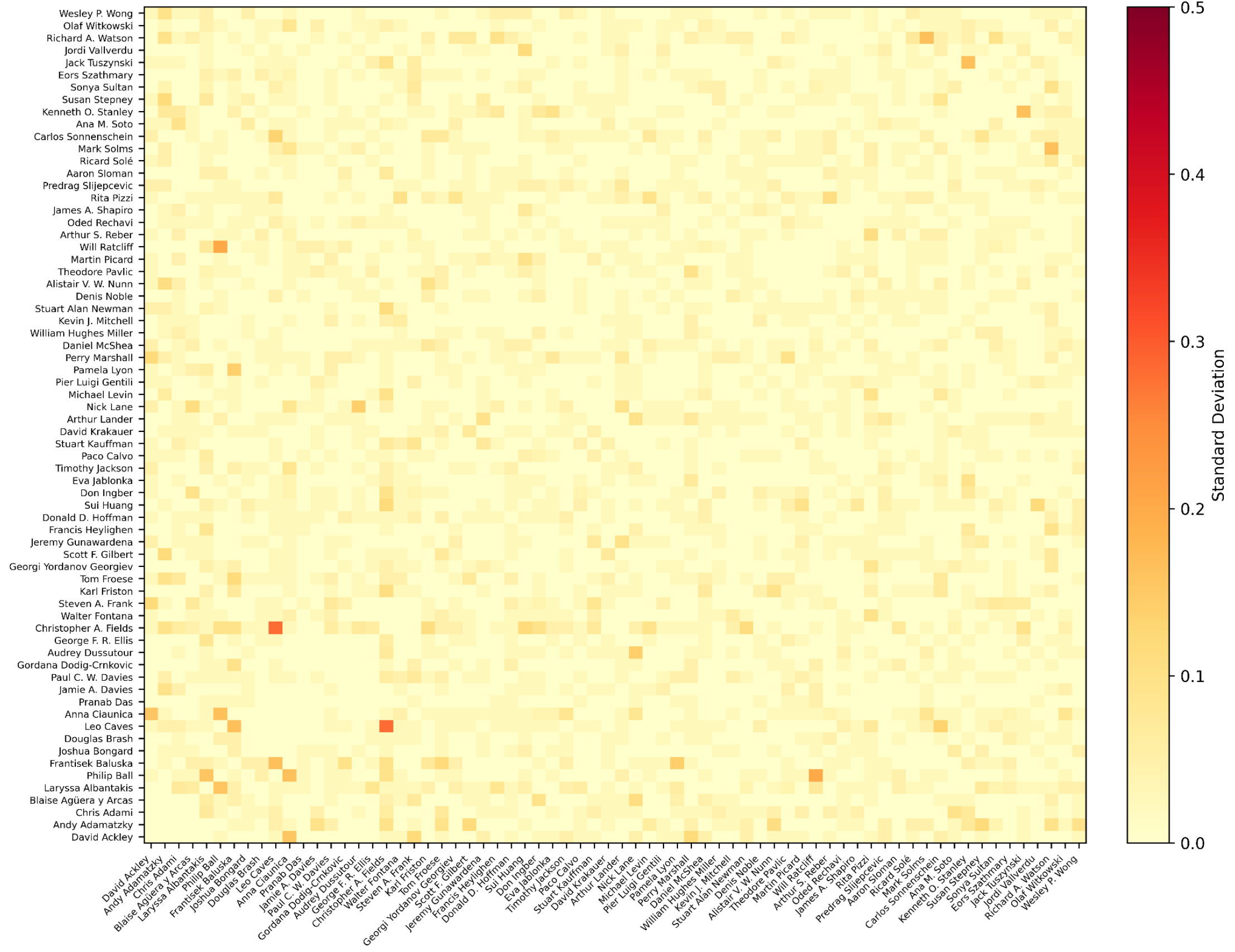
Supplemental Figure 6: Definitions of Life Entropy Matrix; Llama 3.3 70B Instruct
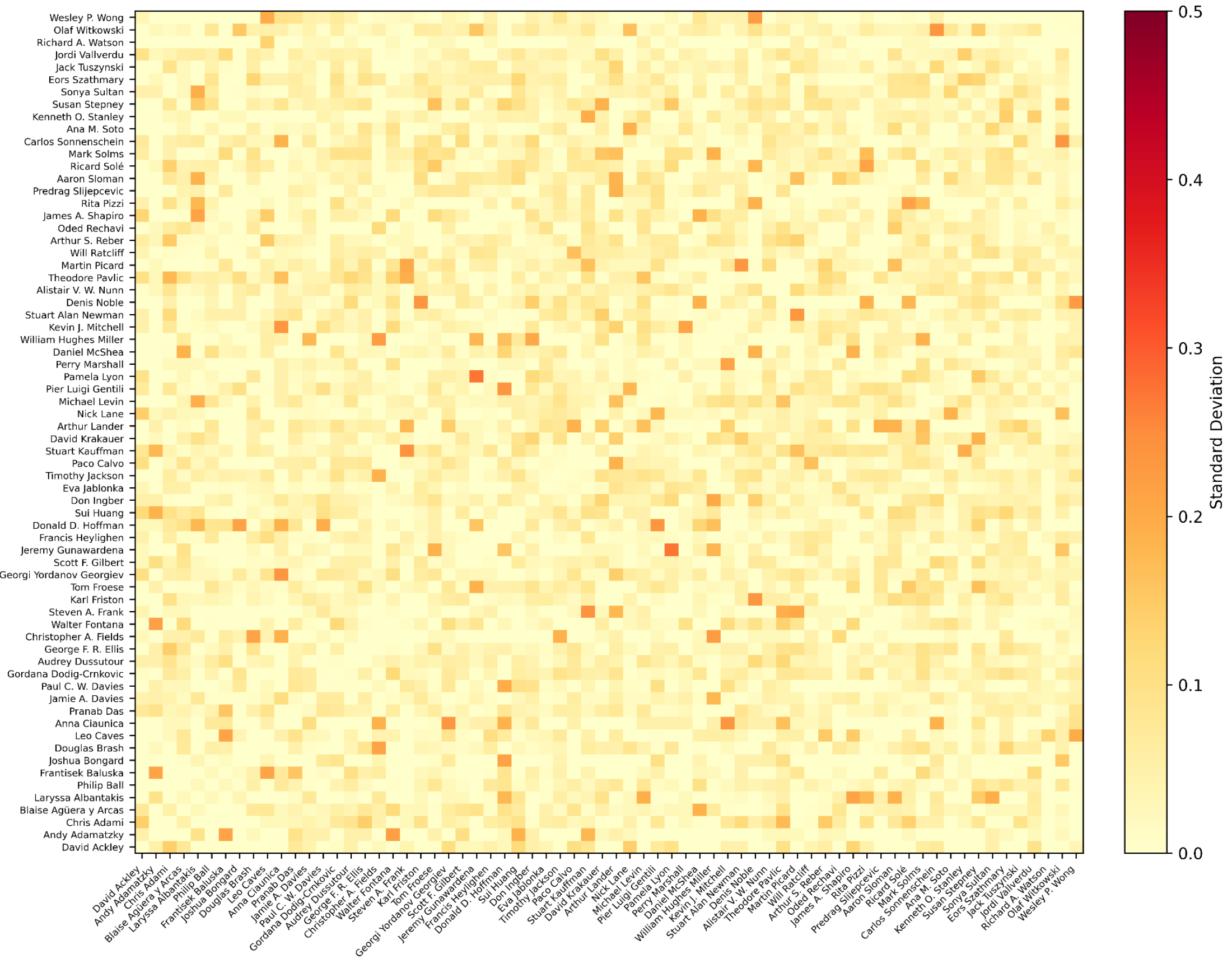 Supplemental Figure 6: Definitions of Life Entropy Matrix; Llama 3.3 70B Instruct
Supplemental Figure 7: Definitions of Life Entropy Matrix; GPT-4o
Definition Correlations Standard Deviations - GPT-4o
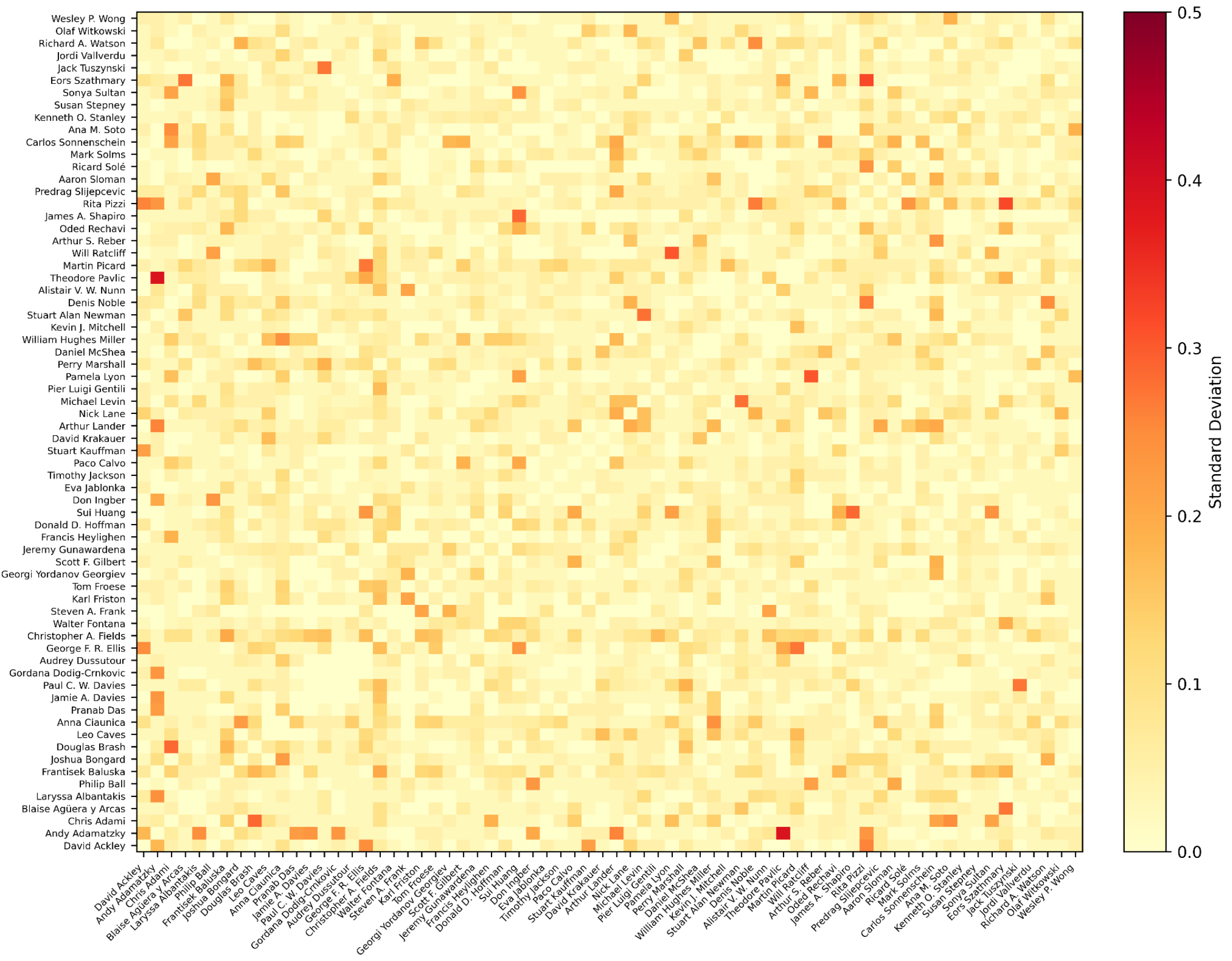 Supplemental Figure 7: Definitions of Life Entropy Matrix; GPT-4o
Supplemental Figure 8: Clustered and Sorted Correlation Matrices of Life Definitions; Claude 3.7 Sonnet
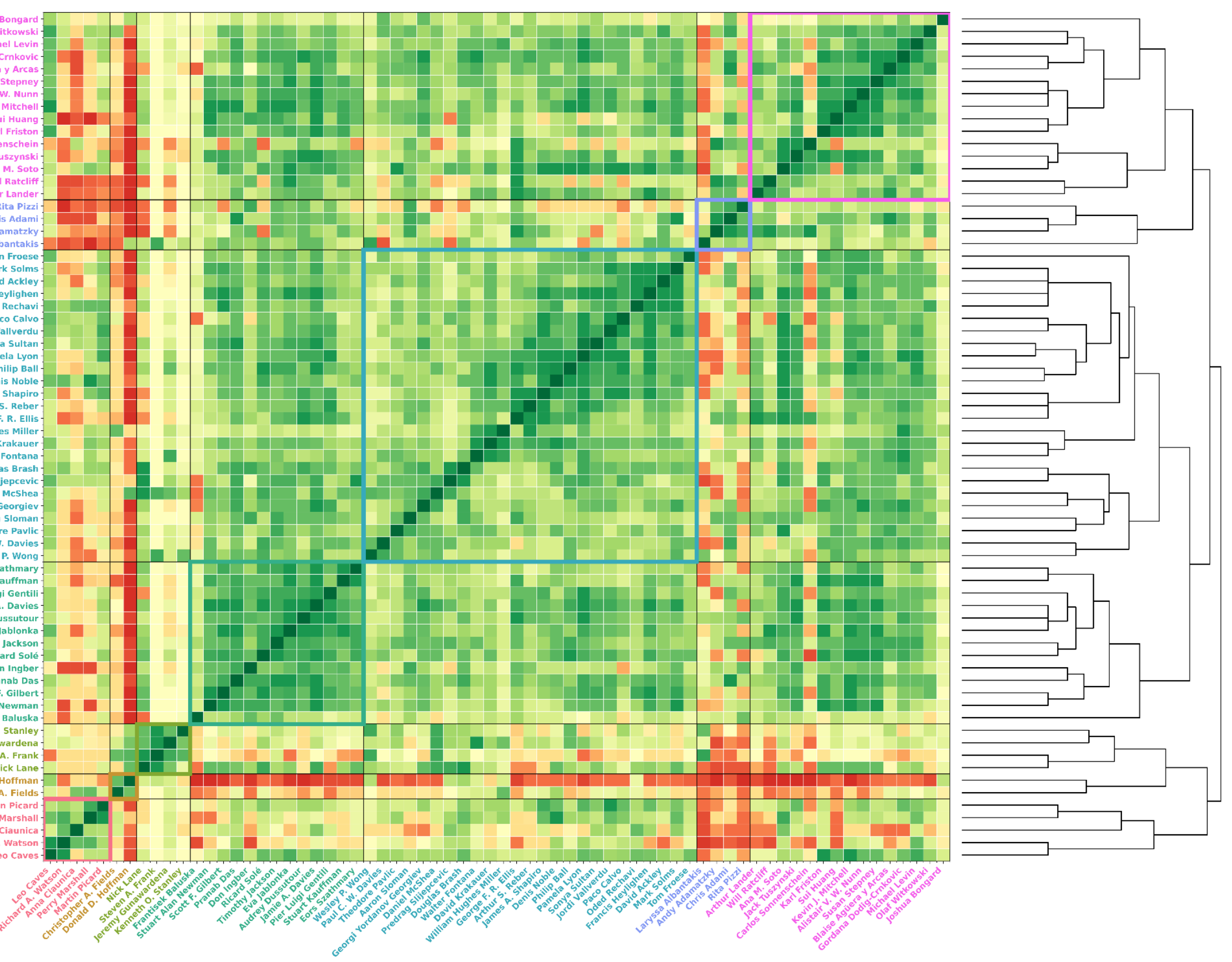 Supplemental Figure 8: Clustered and Sorted Correlation Matrices of Life Definitions; Claude 3.7 Sonnet
Supplemental Figure 9: Clustered and Sorted Correlation Matrices of Life Definitions; Llama 3.3 70B Instruct
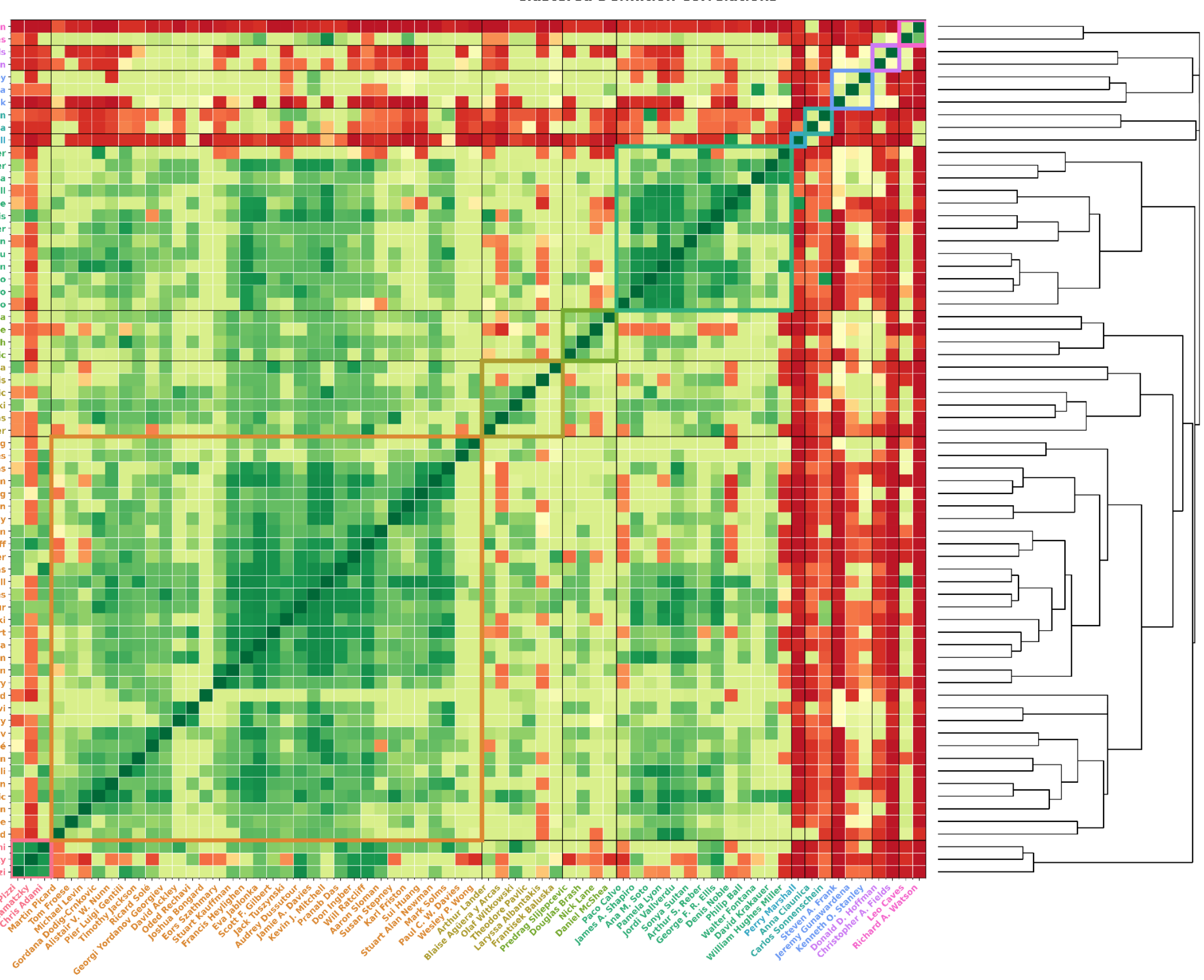 Supplemental Figure 9: Clustered and Sorted Correlation Matrices of Life Definitions; Llama 3.3 70B Instruct
Supplemental Figure 10: Clustered and Sorted Correlation Matrices of Life Definitions; GPT-4o
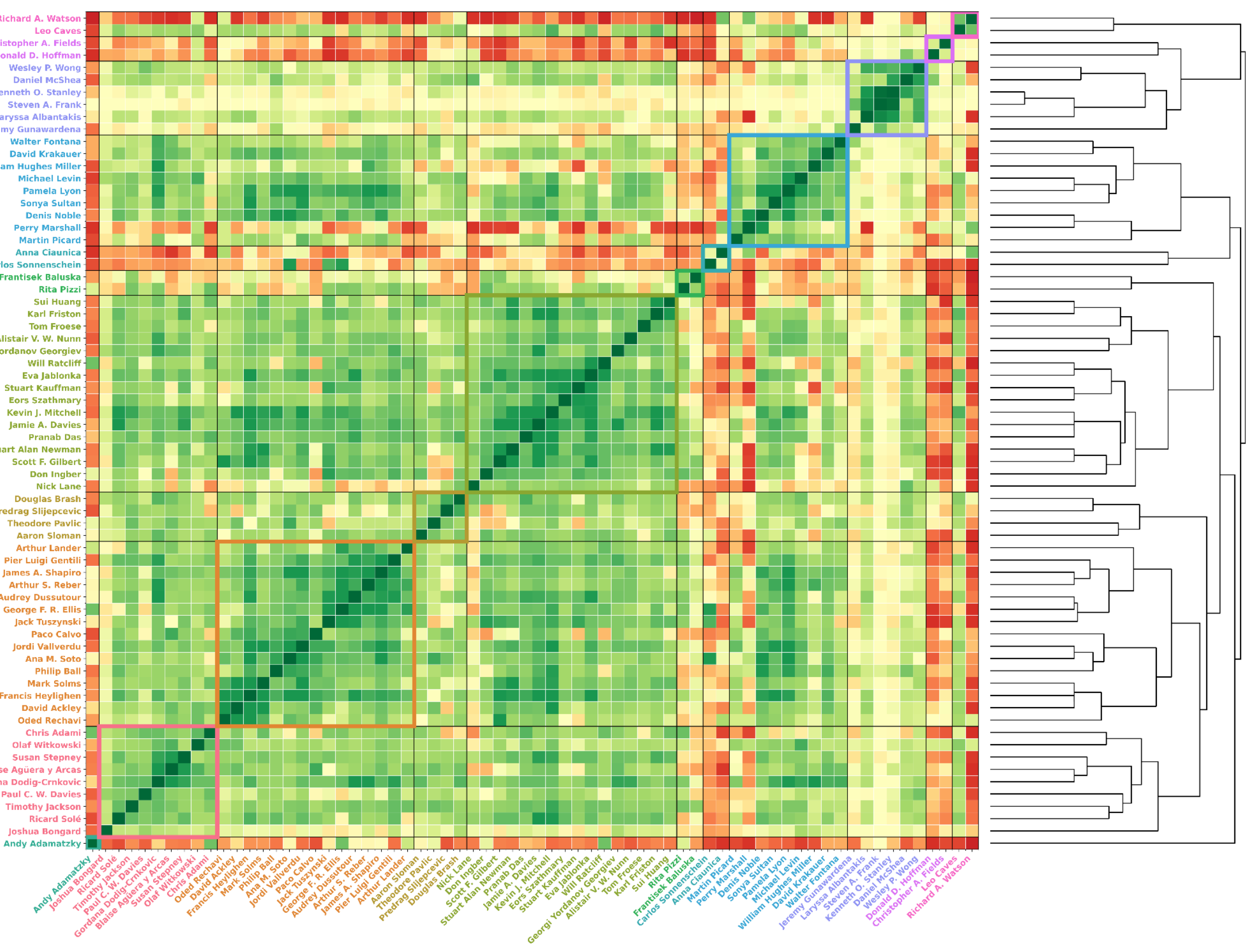 Supplemental Figure 10: Clustered and Sorted Correlation Matrices of Life Definitions; GPT-4o
Supplemental Figure 11: 2-D Feature Projection of Life Definitions—Panel of Clustering Methods
Correlation Feature Projection - What is Life
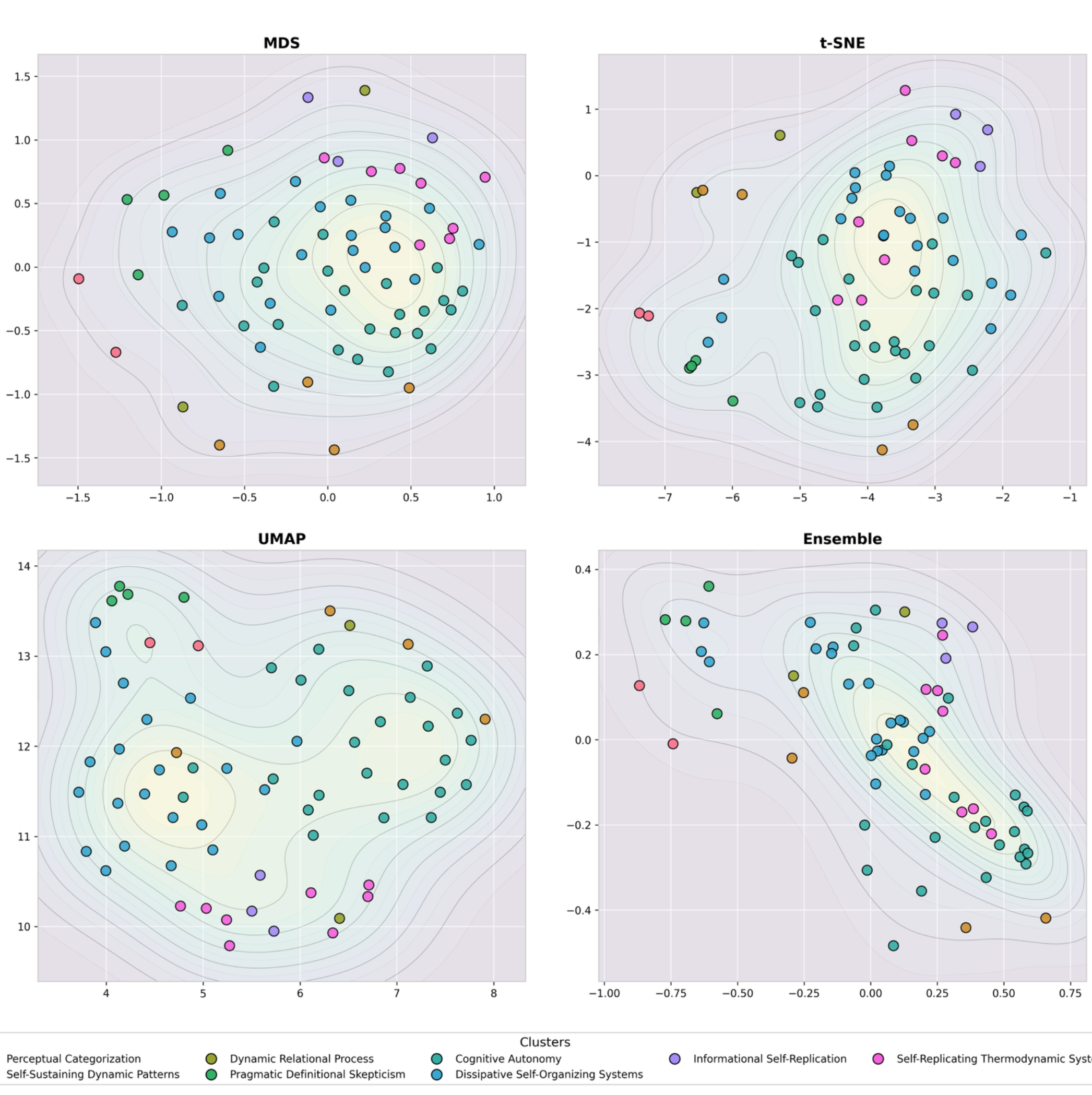 Supplemental Figure 11: 2-D Feature Projection of Life Definitions—Panel of Clustering Methods
Clusters
- Perceptual Categorization
- Self-Sustaining Dynamic Patterns
- Dynamic Relational Process
- Pragmatic Definitional Skepticism
- Cognitive Autonomy
- Dissipative Self-Organizing Systems
- Informational Self-Replication
- Self-Replicating Thermodynamic Systems